
— Opticians & jewellers
Spotless windows,
a workshop free of dust.
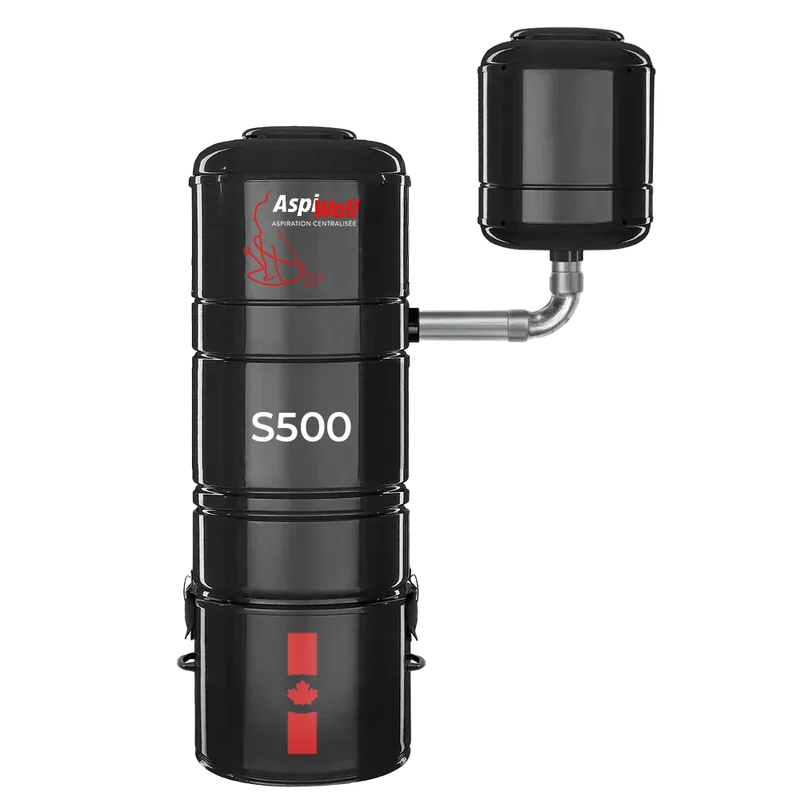
An optician's or jeweller's shop is judged on its cleanliness: crisp windows, dust-free surfaces, a refined image from floor to ceiling. In the workshop, grinding lenses and polishing jewellery generate fine dust. A central vacuum captures it at the source and keeps the shop quiet for welcoming clients.
— A premium shop's daily reality
Fine dust,
captured at the source.
Windows to wipe constantly, micro-dust settling on display cases, and above all the precision workshop: grinding and edging optical lenses, polishing jewellery release fine glass and metal particles. A standard vacuum is loud and blows that laden air back into the shop.
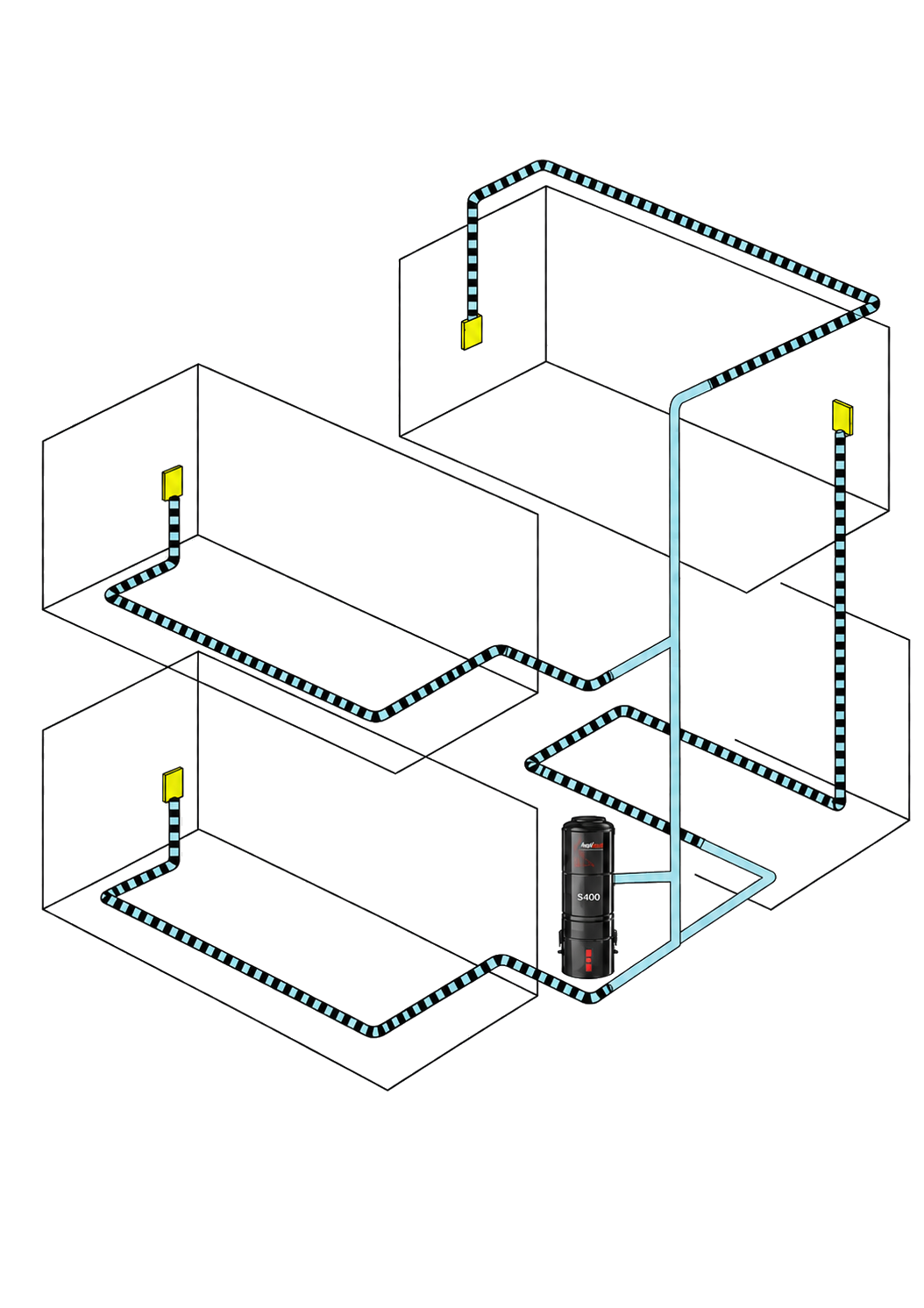
With a central vacuum, an inlet in the workshop captures glass and metal dust at the source, and an inlet in the shop cleans windows and displays in seconds. The vacuumed air is never blown back into your sales area: it is discharged where the central unit sits — a utility room, a storeroom or outside, depending on the installation. The remote motor keeps the shop silent for client welcome. The hose type — retractable or traditional — is determined on site depending on use: discover our retractable hoses.
Built for
a refined image
- Fine glass and metal dust captured at the source, in the workshop
- Remote motor: a silent shop while welcoming clients
- Retractable or traditional hose, determined on site depending on use
- Zero stale air blown back into the shop: it goes to the unit, kept away
- Windows and display cases cleaned in seconds
— Fitting out your shop?
The right moment
is now.
If you are building, renovating or reorganising your shop, now is the ideal time to integrate a central vacuum: ducts run through partitions and floors before the finishes.
AspiWall studies your plan, sizes the central unit to the surface and provides for one inlet in the precision workshop and one in the sales area. Discover our approach for professional buildings.
PLAN FROM THE START
One inlet in the workshop, one in the shop
- A vacuum inlet at the grinding and polishing station
- Utility room for the central unit (storeroom, cellar, back office)
- Ducts built into partitions before painting
- An inlet in the sales area for windows and displays
AspiWall network · design and installation to plan, throughout Belgium
— Standard vacuum vs central vacuum
Where does
the air go?
A standard vacuum, a robot or a stick vacuum filters part of the dust but blows the air back into the room where it runs. With an AspiWall central vacuum, the dirt is sent to the central unit and the vacuumed air is expelled out of the living areas or out of the occupied zones, which limits the re-suspension of fine dust. That is what makes the difference in buildings open to the public and places sensitive to dust.
— Made by Trovac
A benchmark for
air quality.
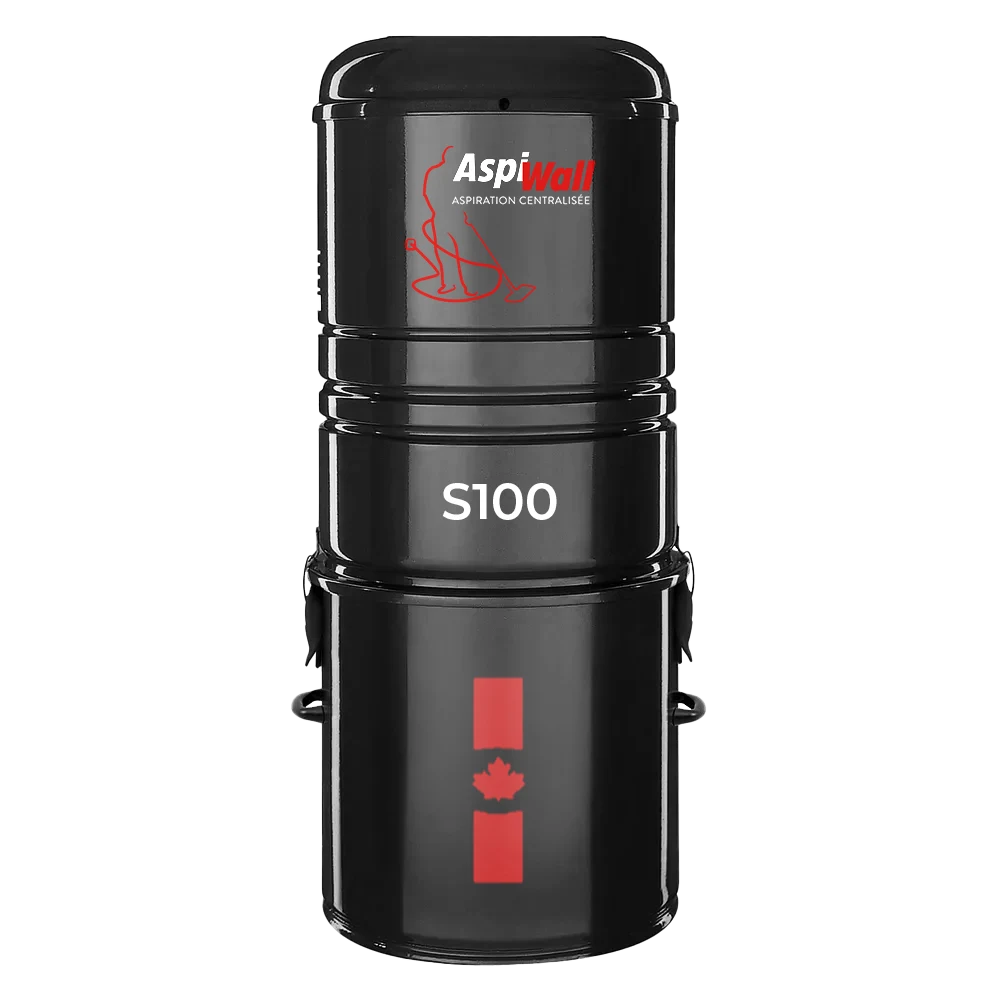
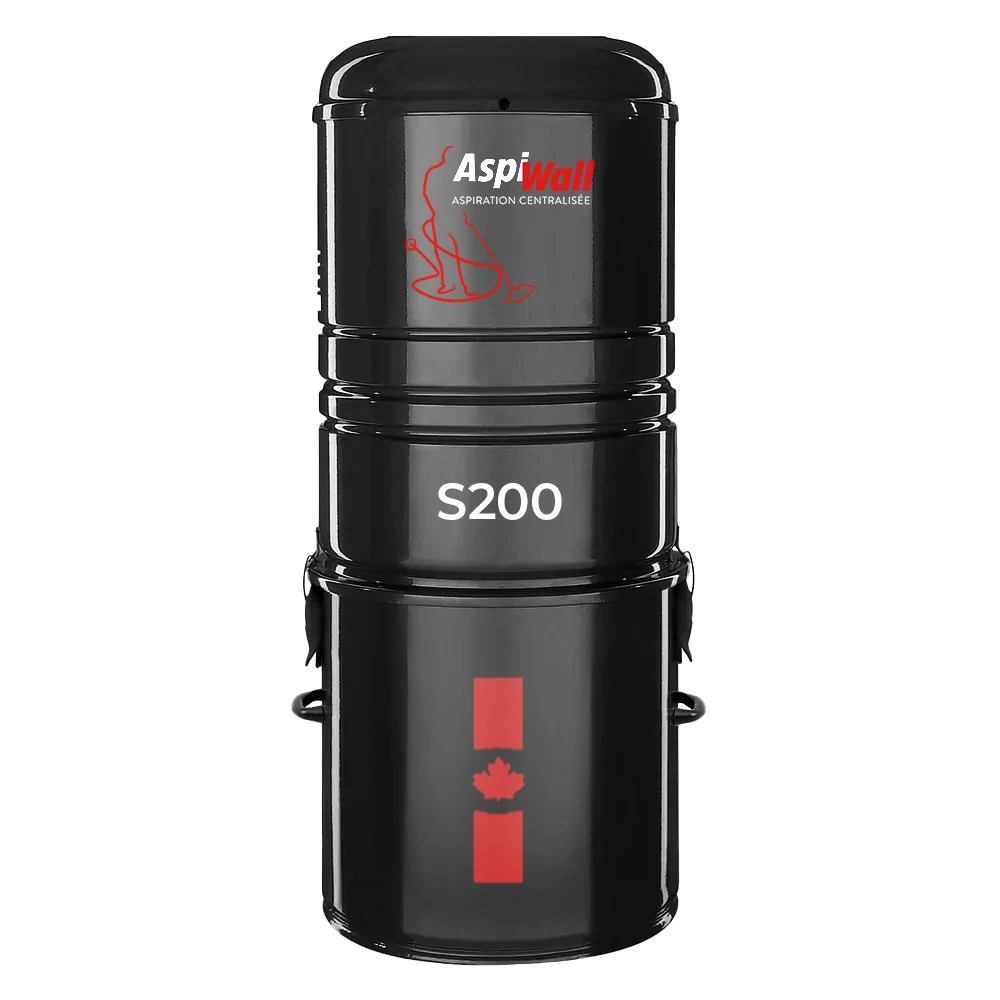
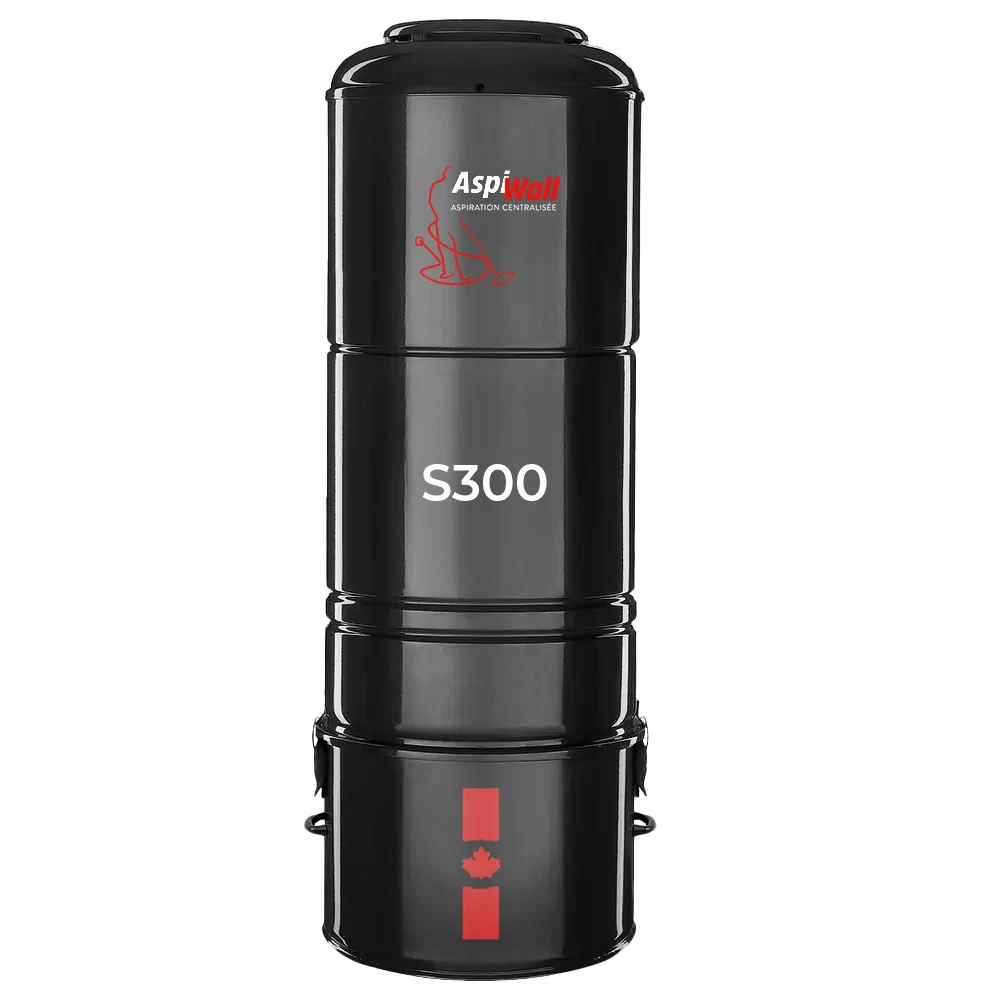
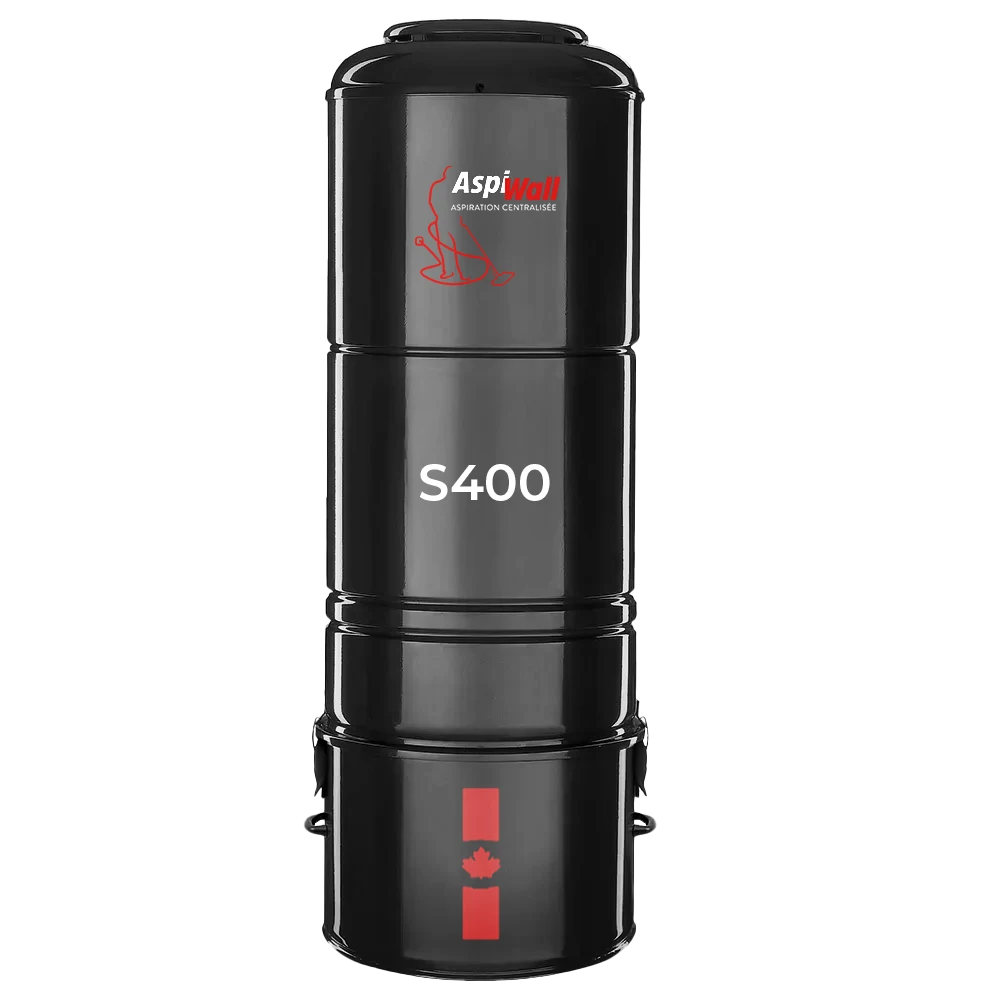
AspiWall offers central units in Belgium made by Trovac, among other manufacturers. Trovac's central vacuum system has been distinguished by AFPRAL (the French Association for Allergy Prevention) since July 2014. An important reference for buildings where air quality, dust, dust mites and allergens are sensitive matters.
— An asset to highlight
A visible argument
for your clients.
Your establishment can promote this installation as a real plus: AspiWall central vacuum system, made by Trovac — among other manufacturers —, a manufacturer distinguished by AFPRAL. The vacuumed air is expelled out of the occupied areas, which limits the re-suspension of fine dust, dust mites and allergens.
« Establishment equipped with an AspiWall central vacuum system, made by Trovac. The vacuumed air is expelled out of the occupied areas to limit the re-suspension of fine dust, dust mites and allergens. »
— Frequently asked questions
Your questions.
Our answers.
Does a central vacuum capture lens grinding dust?
Yes. An inlet placed at the grinding and edging station captures fine glass dust at the source, before it spreads through the workshop or shop. The power of the remote central unit far exceeds a standard workshop vacuum.
Is the noise a problem while I'm welcoming a client?
No. The central unit's motor is installed in a separate utility room (storeroom, cellar, back office). In the sales area and the workshop alike, you only hear a light suction sound, far quieter than a canister vacuum: the welcome stays calm.
Can the metal particles from polishing be recovered?
A central vacuum captures polishing dust at the source in the unit's bin. The standard remains dry vacuuming; for fine recovery, dedicated equipment is still required. AspiWall advises the best-suited configuration for your workshop during the study.
How many inlets does a small shop need?
Even on a small surface, you generally provide for one inlet in the precision workshop and one in the sales area. AspiWall provides a free study from plans or on site to size it precisely.
Can the system be installed in a shop that is already open?
Yes, installation is possible in an existing shop. Contact AspiWall to assess feasibility based on your premises.
A spotless shop at all times?
AspiWall studies your shop and supplies your central vacuum across Belgium. +32 470 71 22 22 · info@aspi-wall.be