
— Places of worship
Vast volumes,
cleaned effortlessly.
A huge nave, rows of pews, carpets and dust that keeps settling: a place of worship is often cleaned by hand, by volunteers. A central vacuum changes everything. You plug a light hose into a wall inlet and vacuum — no heavy machine to carry from one end of the aisle to the other.
— A place of worship's daily reality
Carrying a vacuum down the nave
is over.
Vast volumes, long aisles, carpets and rugs, tightly packed pews: maintaining a church, temple or mosque takes time and effort. A canister vacuum is heavy to move, loud beneath the vaults, and blows back dust that later settles on the furniture and the heritage.
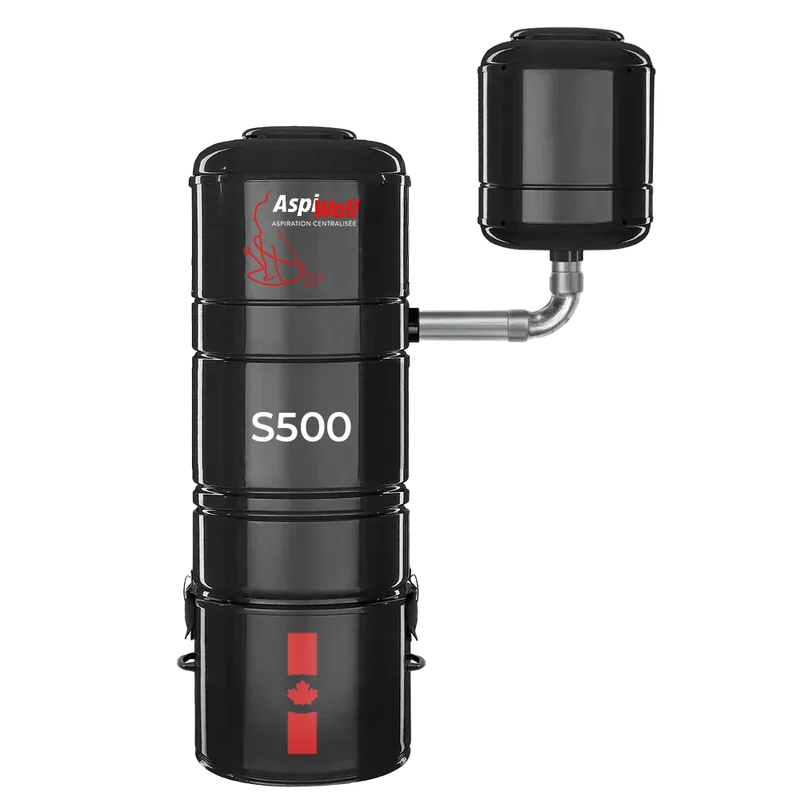
With a central vacuum, a few wall inlets are enough to cover the entire nave. You plug in a light hose and vacuum pews, carpets and floors with no machine to carry. The vacuumed air is never blown back into the place of prayer: it is discharged where the central unit sits — a utility room, a ventilated crawl space or outside, depending on the installation. The dust truly leaves, it does not settle back on the heritage. The remote motor keeps the place silent. The hose type — retractable or traditional — is determined on site depending on use: discover our retractable hoses.
Built for
volunteers
- A light hose you plug into the inlet, no machine to carry
- Remote motor: the silence of the place is respected
- Dust goes to the unit, it no longer settles on the heritage
- Pews, carpets and long aisles cleaned without strain
- Simple upkeep, within reach of every volunteer
— Renovating your place of worship?
The right moment
is now.
If you are restoring or refitting your church, temple or mosque, now is the ideal time to integrate a central vacuum: ducts run discreetly along the walls or beneath the floors before the finishes, without altering the building.
AspiWall studies your plan, sizes the central unit to the volume and surface of the spaces, and supplies the right equipment to cover the nave, side chapels and sacristy. Discover our approach for professional buildings.
PLAN FROM THE START
Covering the whole nave
- Vacuum inlets spread along the nave and the aisles
- Utility room for the central unit (sacristy, cellar, annex)
- Discreet ducts along the walls or beneath the floors, respecting the building
- An inlet planned for the side chapels and the gallery
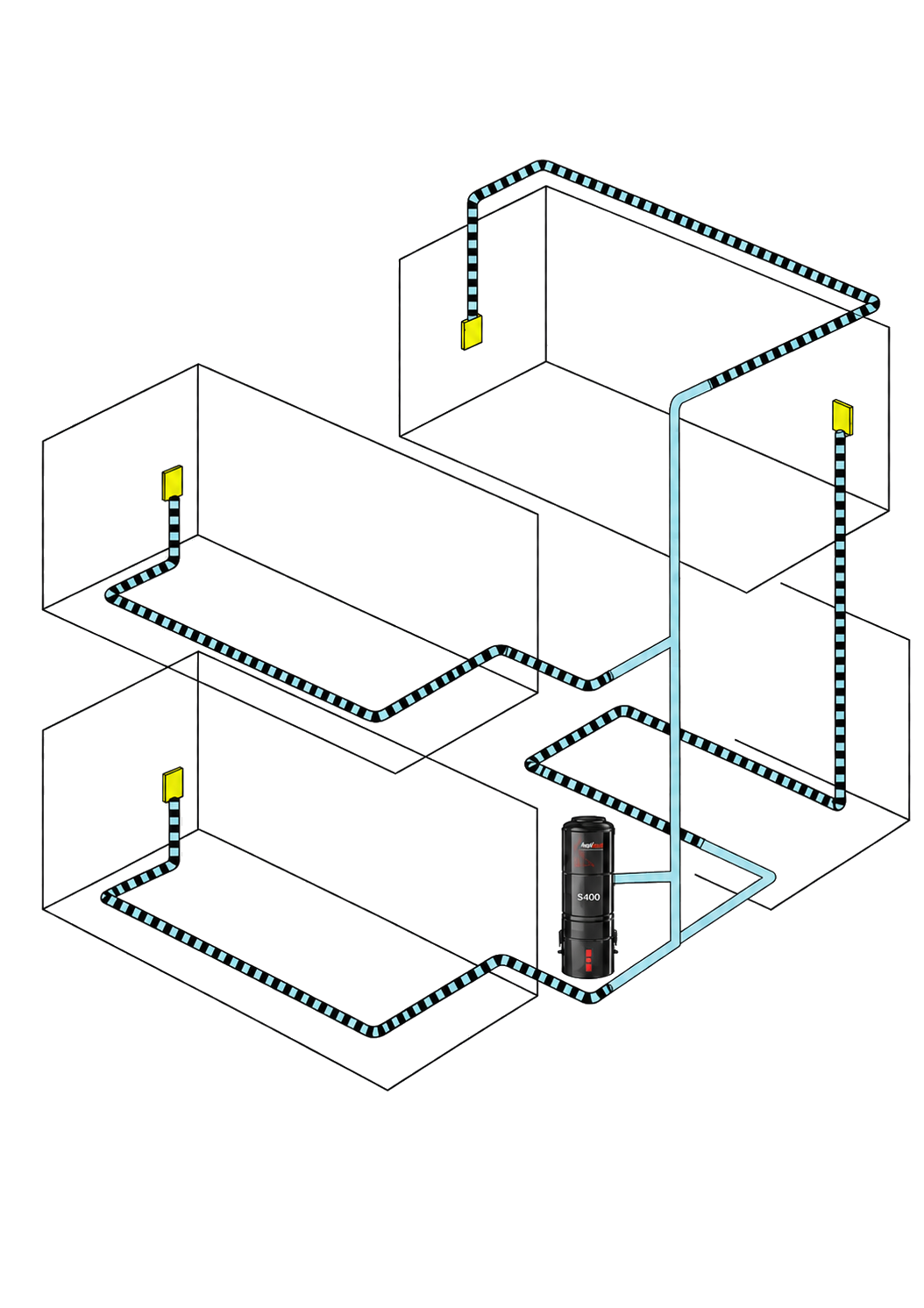
AspiWall network · design and installation to plan, throughout Belgium
— Standard vacuum vs central vacuum
Where does
the air go?
A standard vacuum, a robot or a stick vacuum filters part of the dust but blows the air back into the room where it runs. With an AspiWall central vacuum, the dirt is sent to the central unit and the vacuumed air is expelled out of the living areas or out of the occupied zones, which limits the re-suspension of fine dust. That is what makes the difference in buildings open to the public and places sensitive to dust.
— Made by Trovac
A benchmark for
air quality.
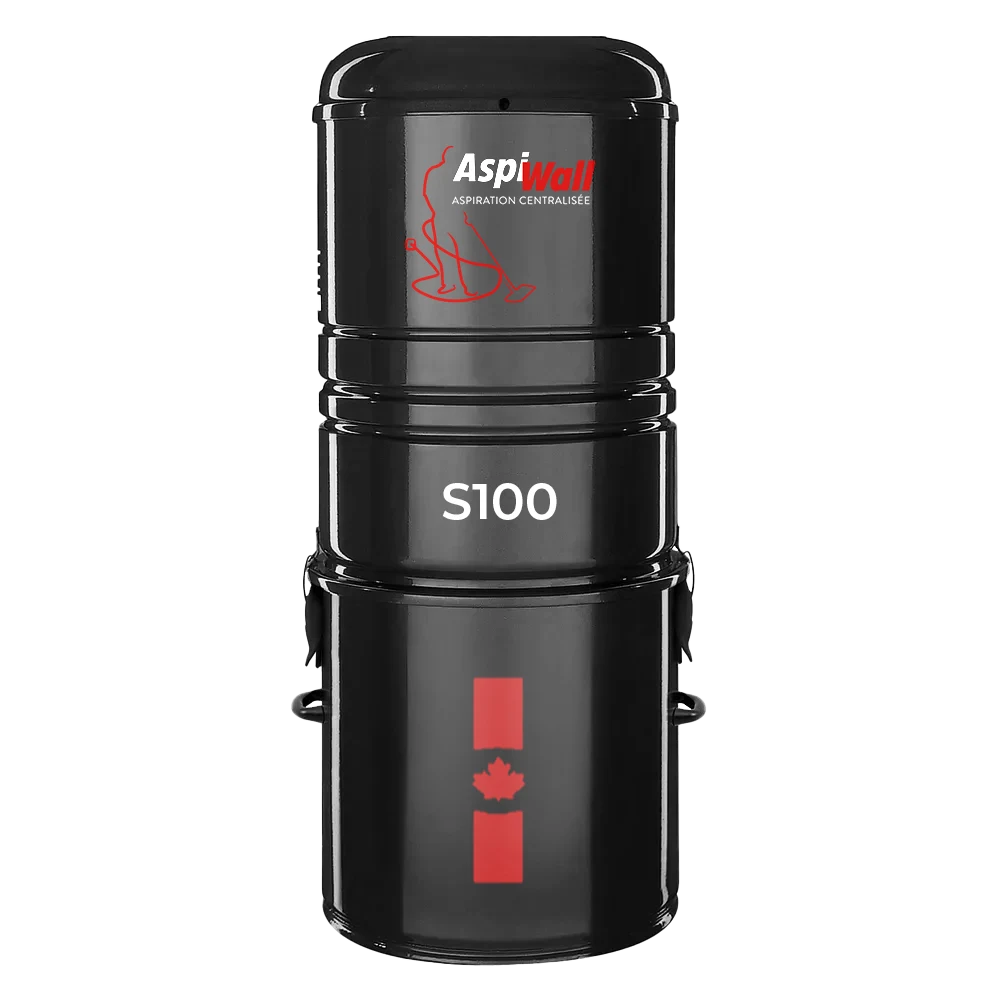
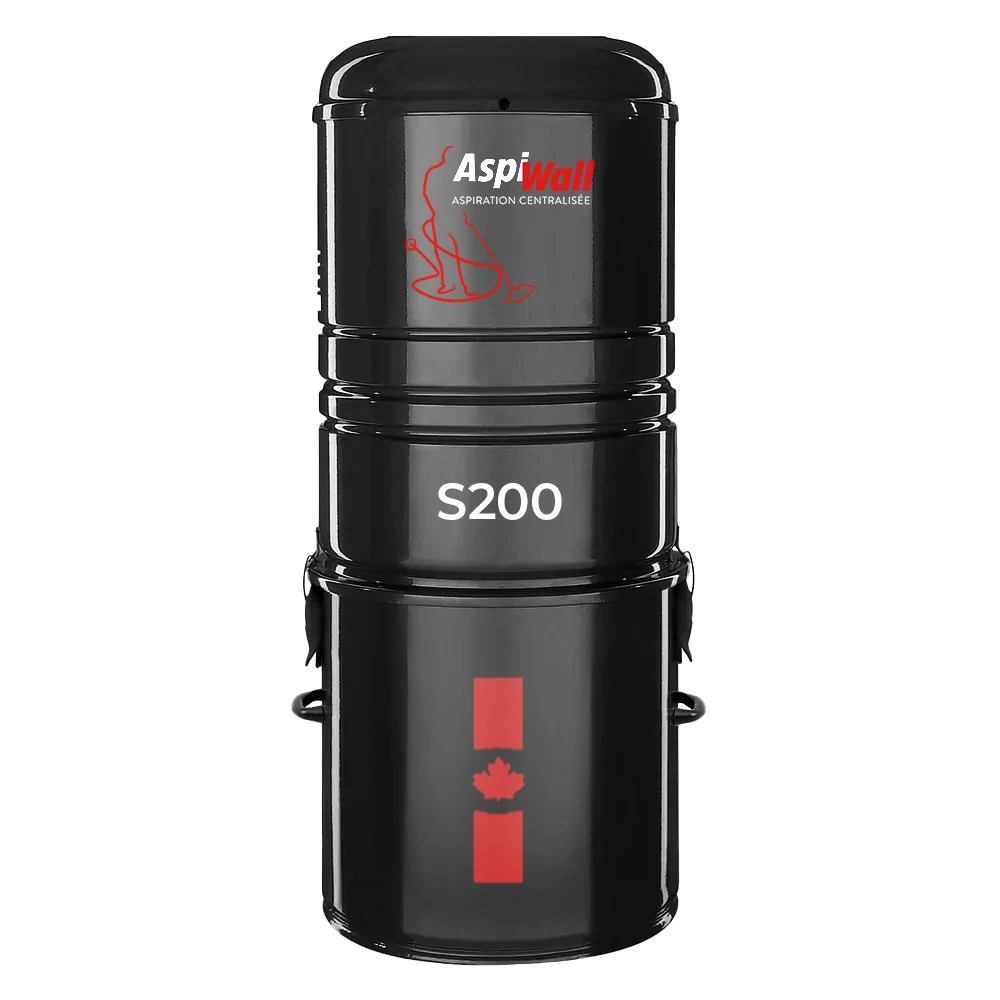
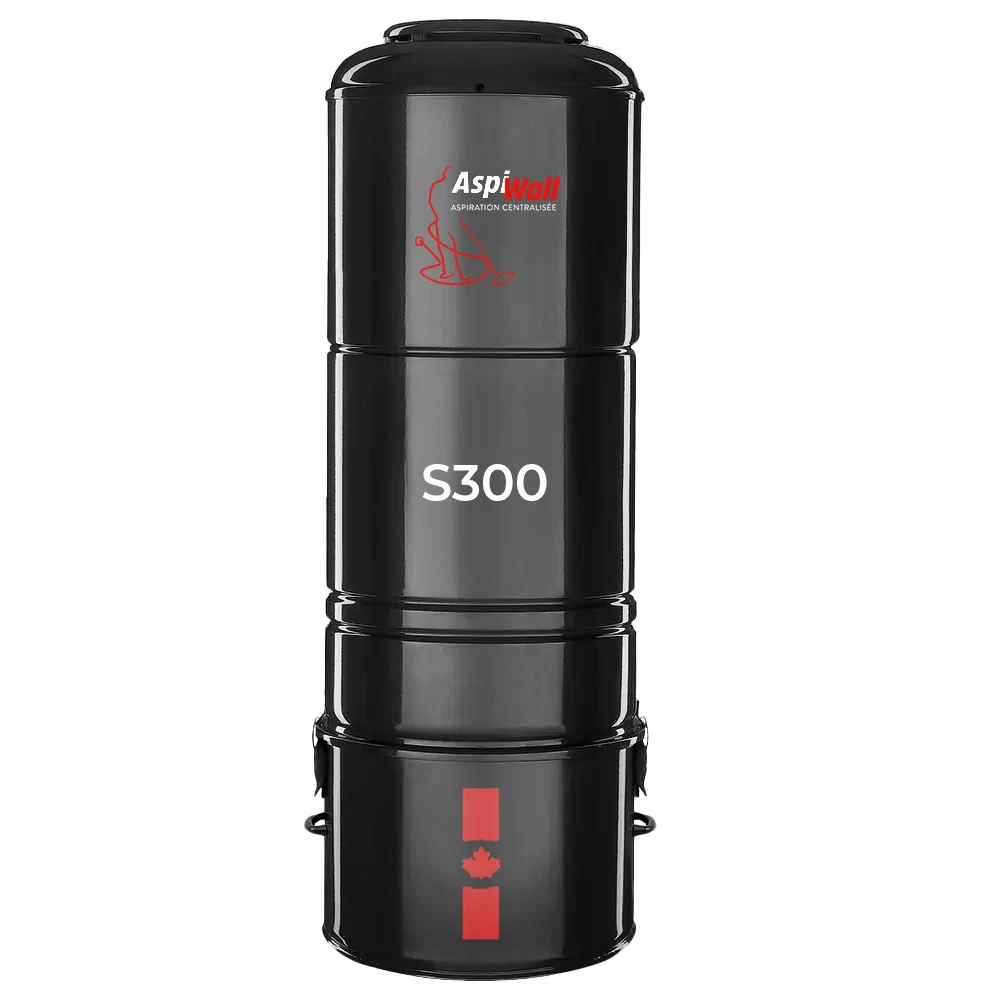
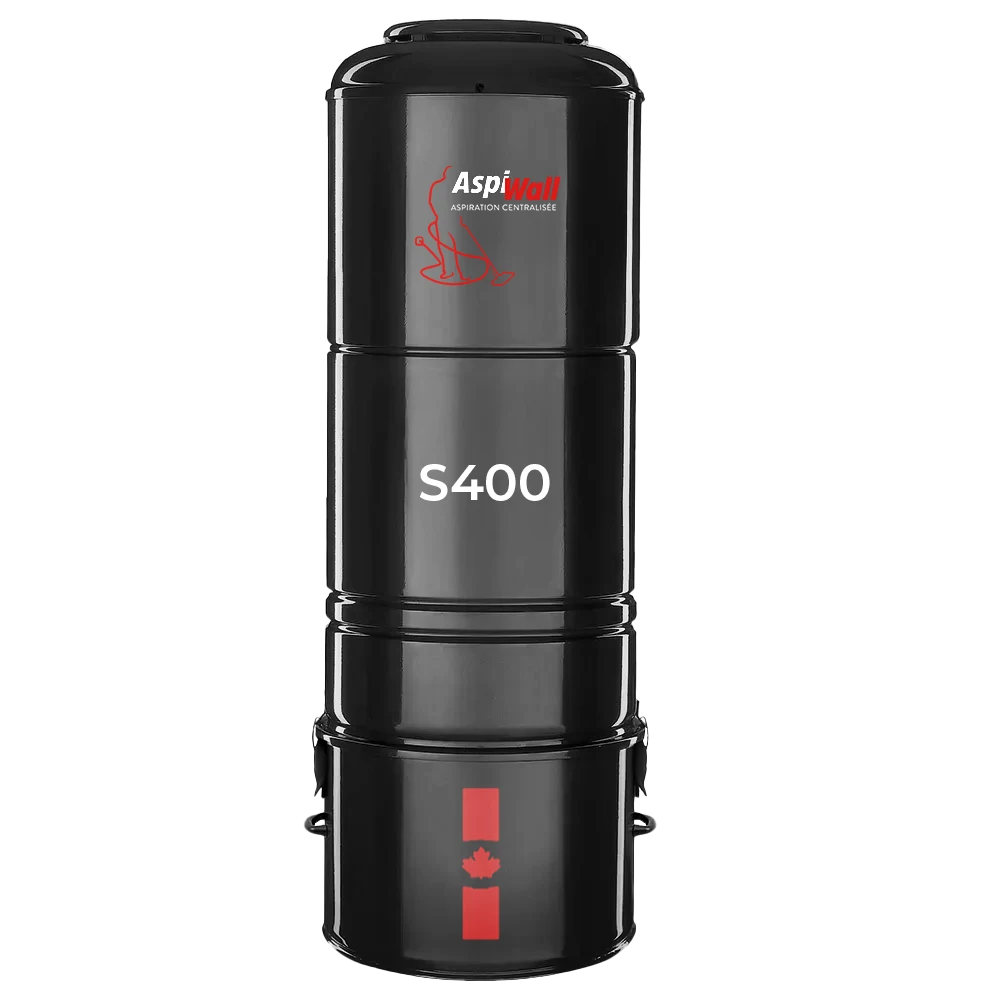
AspiWall offers central units in Belgium made by Trovac, among other manufacturers. Trovac's central vacuum system has been distinguished by AFPRAL (the French Association for Allergy Prevention) since July 2014. An important reference for buildings where air quality, dust, dust mites and allergens are sensitive matters.
— An asset to highlight
A visible argument
for your clients.
Your establishment can promote this installation as a real plus: AspiWall central vacuum system, made by Trovac — among other manufacturers —, a manufacturer distinguished by AFPRAL. The vacuumed air is expelled out of the occupied areas, which limits the re-suspension of fine dust, dust mites and allergens.
« Establishment equipped with an AspiWall central vacuum system, made by Trovac. The vacuumed air is expelled out of the occupied areas to limit the re-suspension of fine dust, dust mites and allergens. »
— Frequently asked questions
Your questions.
Our answers.
Is a central vacuum suitable for very large volumes like a nave?
Yes. The central unit is sized to the surface and the height under the vaults. With a few well-spread inlets and a hose you move from inlet to inlet, you easily cover a long nave, the aisles and the side chapels. AspiWall provides a free study from plans or on site.
Can a volunteer use the system easily?
Yes, that is the whole point. There is no heavy machine to carry: you plug a light hose into the nearest wall inlet and vacuum pews, carpets and floors. It is simple, within reach of every volunteer, with no effort or technical handling.
Is the noise a problem in a place that calls for silence?
No. The central unit's motor is installed away from the space, in a utility room (sacristy, cellar, annex). Beneath the vaults you only hear a light suction sound, far more discreet than a canister vacuum. The silence and contemplation of the place are respected.
Won't the dust settle back on the heritage?
No, and that is a major advantage. The vacuumed air is never blown back into the place: it is discharged where the central unit sits — a utility room, a ventilated crawl space or outside. The dust truly leaves and does not settle back on the pews, statues, paintings or ornaments to be preserved.
Can an existing church or chapel be equipped?
Yes, installation is possible in an existing building, by routing the ducts discreetly to respect the heritage. Contact AspiWall to assess feasibility based on your premises.
An immaculate place of worship, effortlessly?
AspiWall studies your place of worship and supplies your central vacuum across Belgium. +32 470 71 22 22 · info@aspi-wall.be