
— Museums & libraries
Large rooms,
cleaned in silence.
In a museum, an art gallery, a library or a media library, dust is the enemy of artworks and collections alike — and silence is essential for visitors. A central vacuum cleans large surfaces without noise, without blowing back into the rooms the stale air laden with fine dust.
— The conservation challenge
Dust,
the enemy of collections.
Artworks, old books, archives, exhibition surfaces: everything is sensitive to dust, and a standard vacuum puts it back into circulation while imposing its racket in spaces where silence matters.
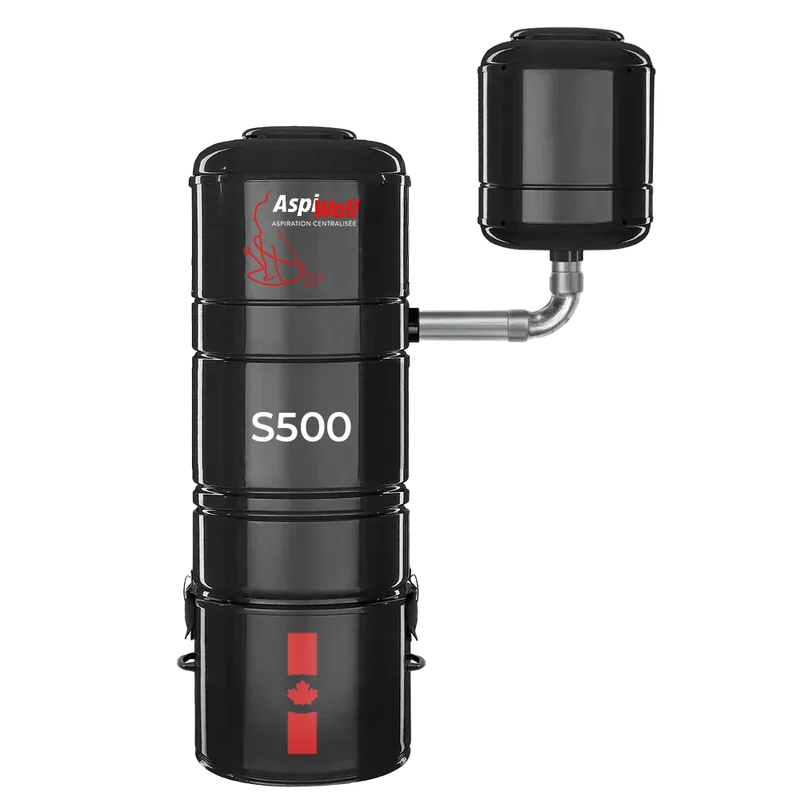
A central vacuum picks up dust settled on large surfaces — floors, exhibition rooms, around display cases — and never blows the stale air back into the occupied spaces: it is discharged where the central unit sits, kept away (utility room, ventilated crawl space or outside, depending on the installation). This is a real asset for air quality and the preservation of collections. With the motor remote, cleaning is done in silence, without disturbing visitors or readers. A solution designed for professional buildings and heritage sites.
Built for
preservation
- Stale air never blown back into the rooms: a plus for air quality
- Remote motor: silent cleaning, respect for visitors
- Large surfaces covered from well-distributed inlets
- Less dust put back into circulation near artworks and archives
- Retractable or traditional hose, determined on site depending on use
— Building or renovating?
Integrate it
from the design stage.
A new cultural building, renovation of a museum, reorganisation of a library: now is the time to integrate a central vacuum, before finishes and the installation of collections.
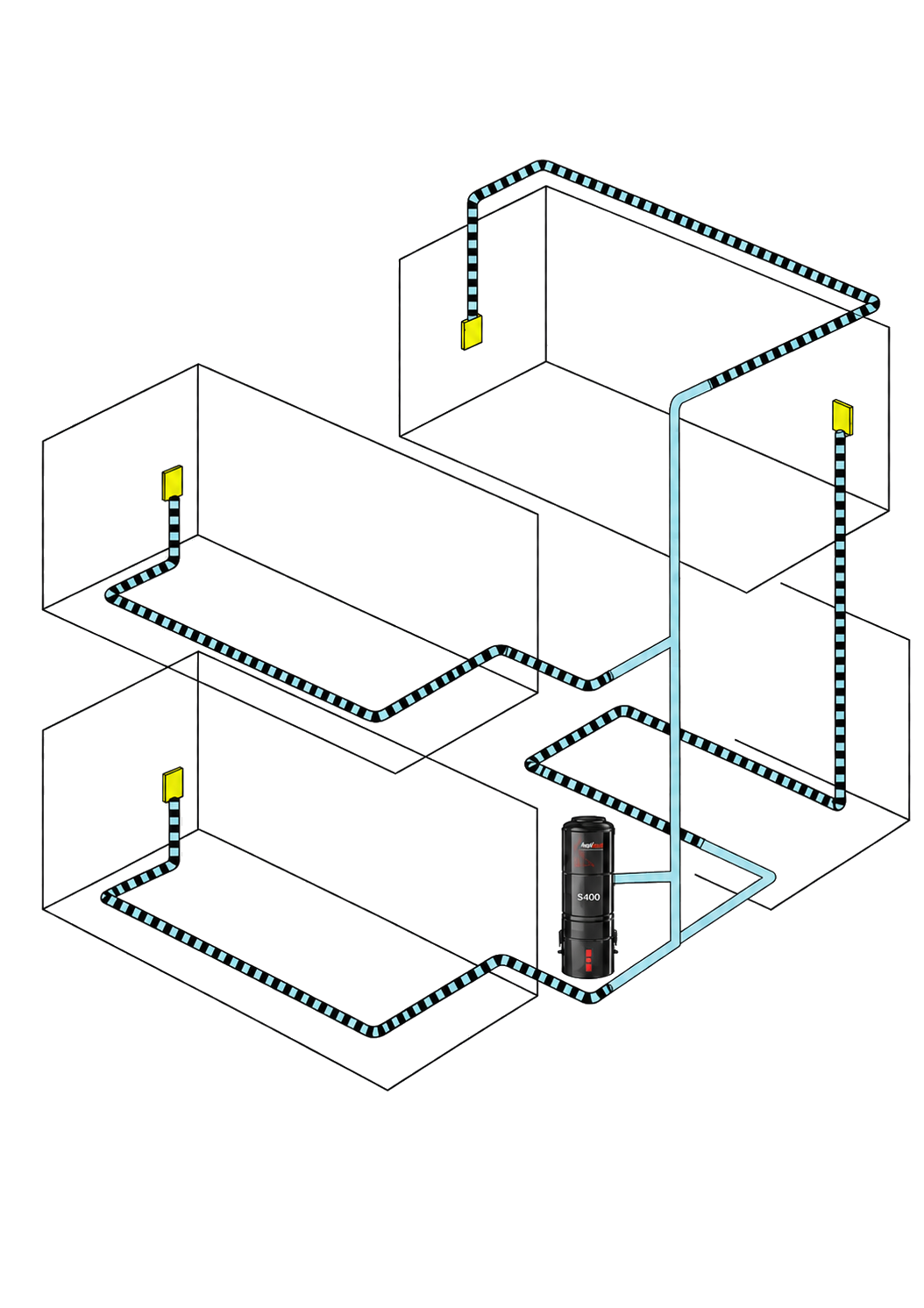
AspiWall sizes the central unit to the surfaces to be maintained and positions inlets to cover exhibition rooms, reading areas and archive zones. The duct network stays invisible, built into the building, without altering the architecture or the scenography.
PLAN FROM THE START
Rooms, reading, archives
- Inlets distributed in exhibition and reading rooms
- Utility room for the central unit, away from the public
- Ducts built in before finishes and hanging
- Inlets planned near archive and storage zones
AspiWall network · design and installation to plan, throughout Belgium
— Standard vacuum vs central vacuum
Where does
the air go?
A standard vacuum, a robot or a stick vacuum filters part of the dust but blows the air back into the room where it runs. With an AspiWall central vacuum, the dirt is sent to the central unit and the vacuumed air is expelled out of the living areas or out of the occupied zones, which limits the re-suspension of fine dust. That is what makes the difference in buildings open to the public and places sensitive to dust.
— Made by Trovac
A benchmark for
air quality.
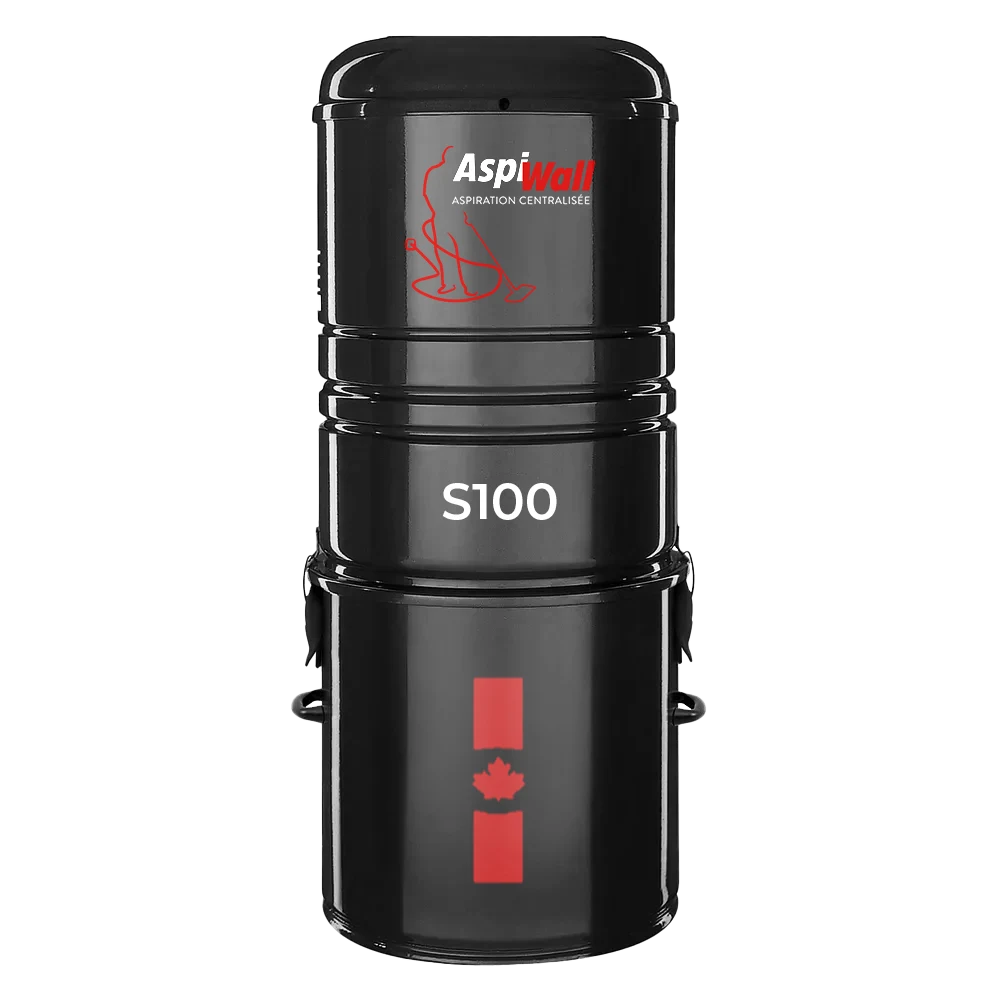
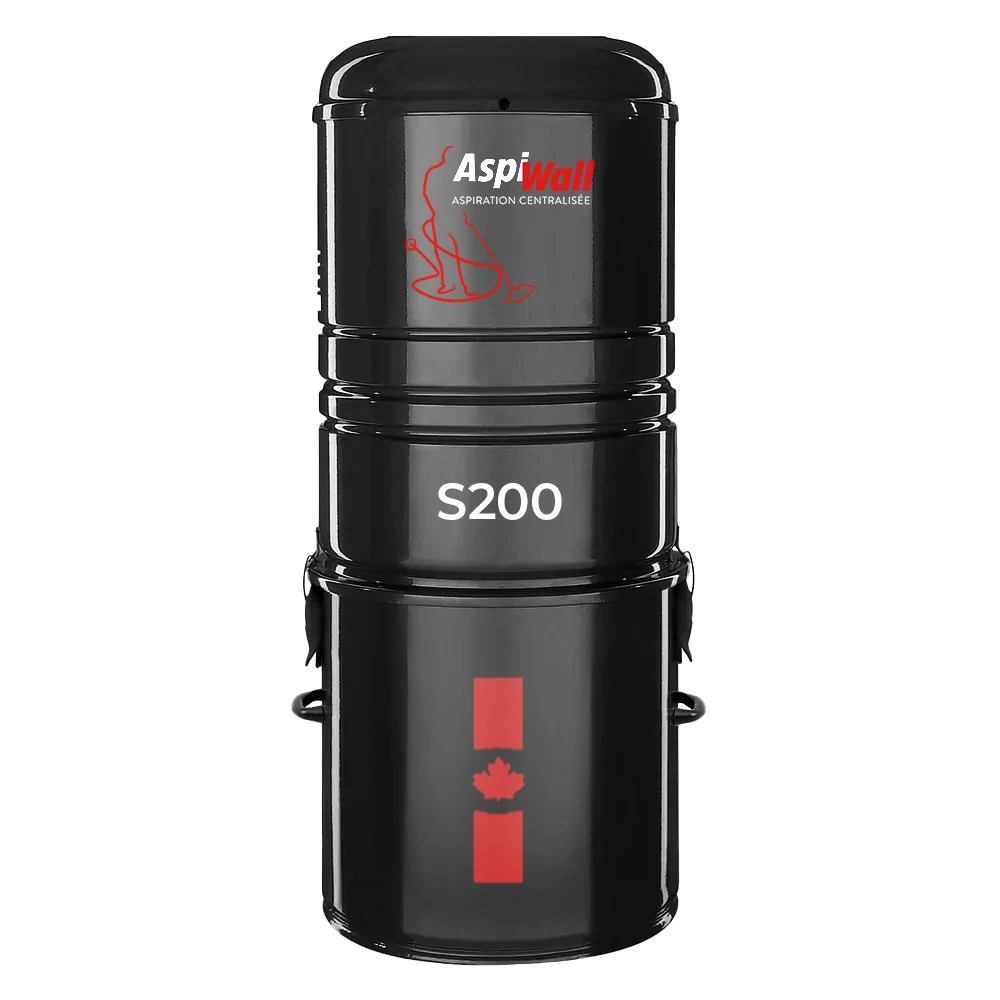
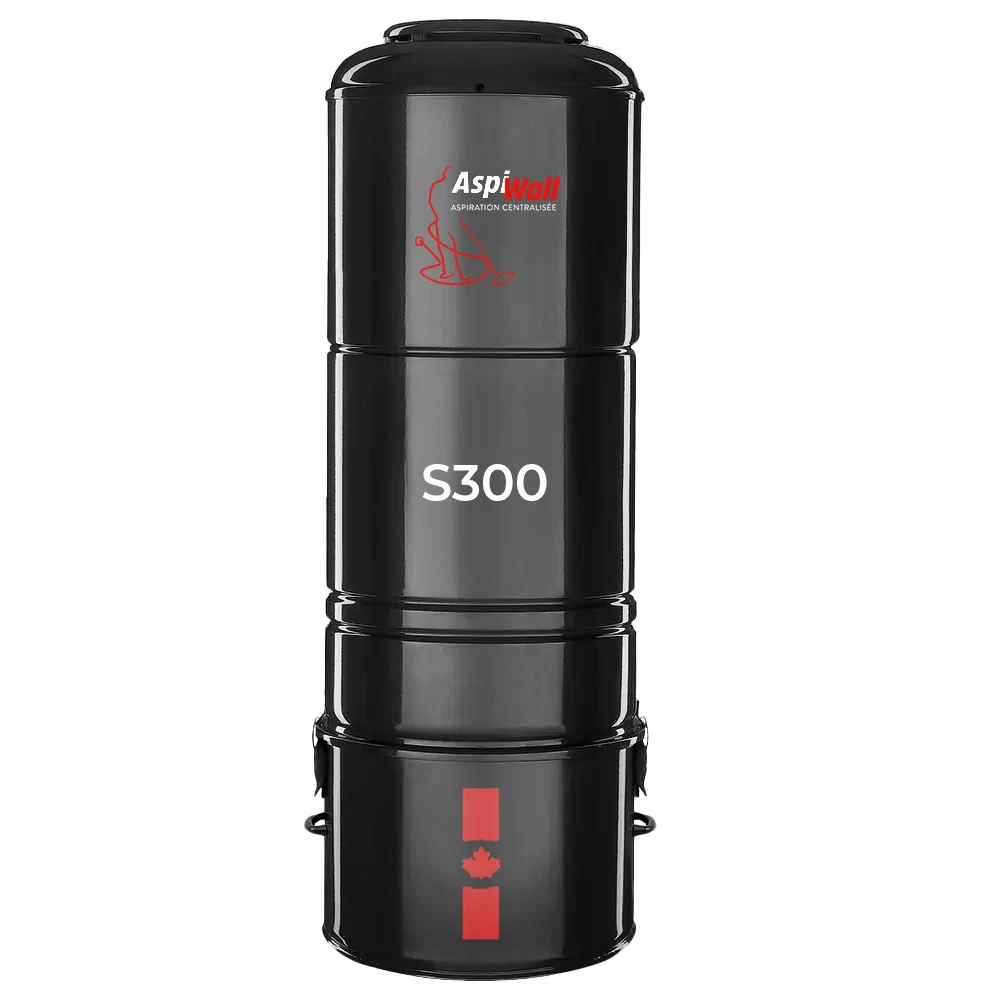
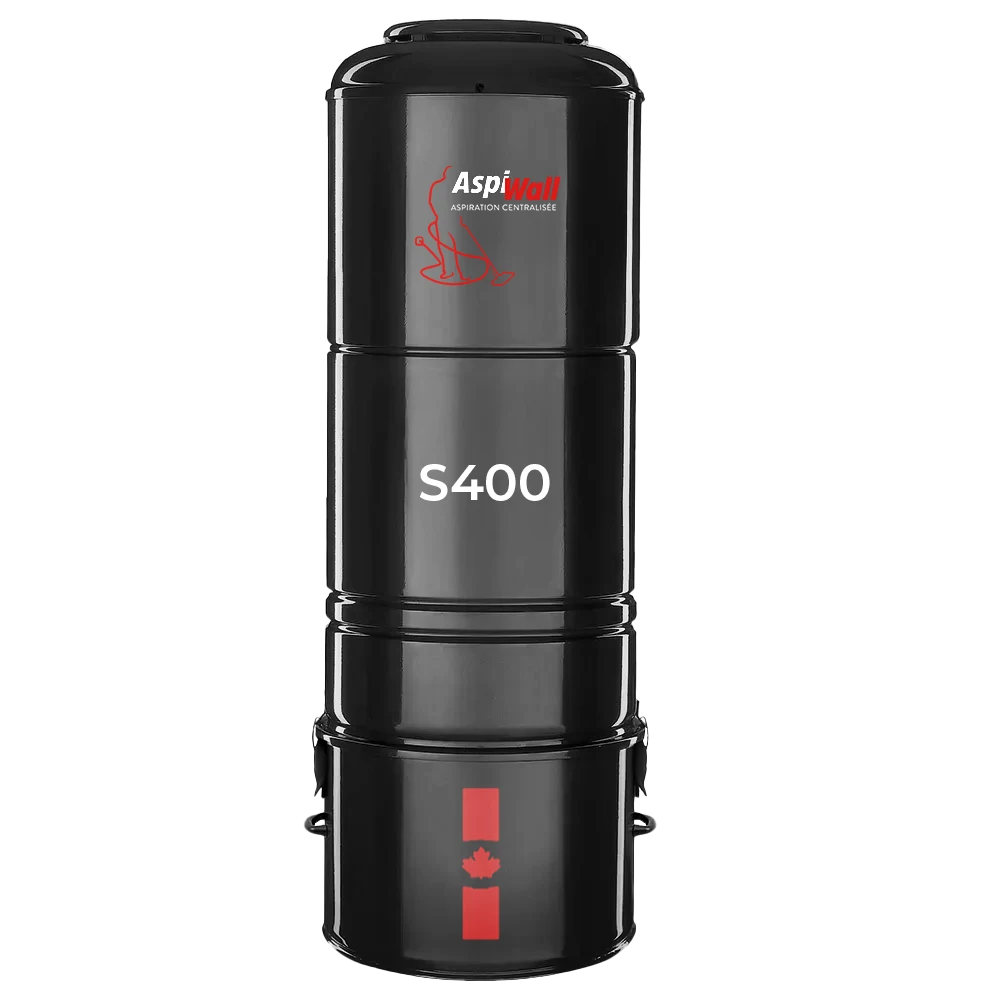
AspiWall offers central units in Belgium made by Trovac, among other manufacturers. Trovac's central vacuum system has been distinguished by AFPRAL (the French Association for Allergy Prevention) since July 2014. An important reference for buildings where air quality, dust, dust mites and allergens are sensitive matters.
— An asset to highlight
A visible argument
for your clients.
Your establishment can promote this installation as a real plus: AspiWall central vacuum system, made by Trovac — among other manufacturers —, a manufacturer distinguished by AFPRAL. The vacuumed air is expelled out of the occupied areas, which limits the re-suspension of fine dust, dust mites and allergens.
« Establishment equipped with an AspiWall central vacuum system, made by Trovac. The vacuumed air is expelled out of the occupied areas to limit the re-suspension of fine dust, dust mites and allergens. »
— Frequently asked questions
Your questions.
Our answers.
Does a central vacuum better protect artworks from dust?
Yes. By discharging the suctioned air where the central unit sits (utility room, ventilated crawl space or outside, depending on the installation) rather than into the room, a central vacuum prevents the recirculation of fine dust near artworks and collections. It is a real asset for air quality and preservation.
Is the noise a problem for visitors or readers?
No. The central unit's motor is installed in a separate utility room, away from the public. In the rooms you only hear a light suction sound, far quieter than a canister vacuum in a space where silence matters.
Does a single central unit cover large exhibition surfaces?
Yes, it's a strength. One central unit serves several rooms and levels via the duct network, with well-distributed inlets. AspiWall sizes the installation to the surfaces to be maintained.
Is it suitable for cleaning near archives and fragile documents?
Yes. With the right accessory and controlled suction, you maintain the surroundings of shelving and archive zones while limiting the resuspension of dust. The hose type — retractable or traditional — is determined on site depending on use.
Can it be installed in an existing heritage building?
Often yes, but feasibility depends on the architecture and conservation constraints. Contact AspiWall for a case-by-case study based on your building.
Preserved and silent rooms?
AspiWall studies your museum or library and supplies your central vacuum across Belgium. +32 470 71 22 22 · info@aspi-wall.be