
— Professional cleaning robots · Belgium & Benelux
Robots that clean.You do the rest.
Every night, the same floors.Every morning, the same result. Without a single overtime hour.
— Why a cleaning robot
The costliest floor is not the one you clean. It is the one you clean twice.
On a large site, floor care eats up hours of hard, hard-to-recruit work every single day — and it is impossible to repeat it exactly the same way from one night to the next. A cleaning robot does not replace your team: it takes over the repetitive part, the part that consists of covering hundreds of square metres in a straight line.
Your staff can then focus on what a machine does not do: washrooms, detailing, glass, corners, furniture. And the large open areas get a pass that is regular, measured and verifiable.
A pass every day if needed, weekends and public holidays included.
Outside opening hours, without disturbing customers or operations.
Surface actually cleaned, measured and logged on every mission.
No absence, sick leave or turnover on the automated task.
— Three concrete reasons
Consistent. Measurable. Profitable.
The same quality, every single day
The robot follows the plan it was given. No zone skipped on a busy evening, no shortened pass: the same route, the same speed, the same water flow, Monday through Sunday.
Cleaning that leaves a written record
Surfaces covered, timings, zones treated, incidents: every mission produces a report. A decisive argument when you have to justify a service to a client, a head office or an auditor.
A cost you can work out in advance
Floor care on a large site is counted in hours. Automating the repetitive part turns a variable, hard-to-staff burden into a fixed cost known up front.
— The families of machines
Four types of robot.
A different need each time.
The right robot depends first on your floors and the shape of your building, not on a catalogue. Here are the main families; the exact model is chosen later, from your plans.
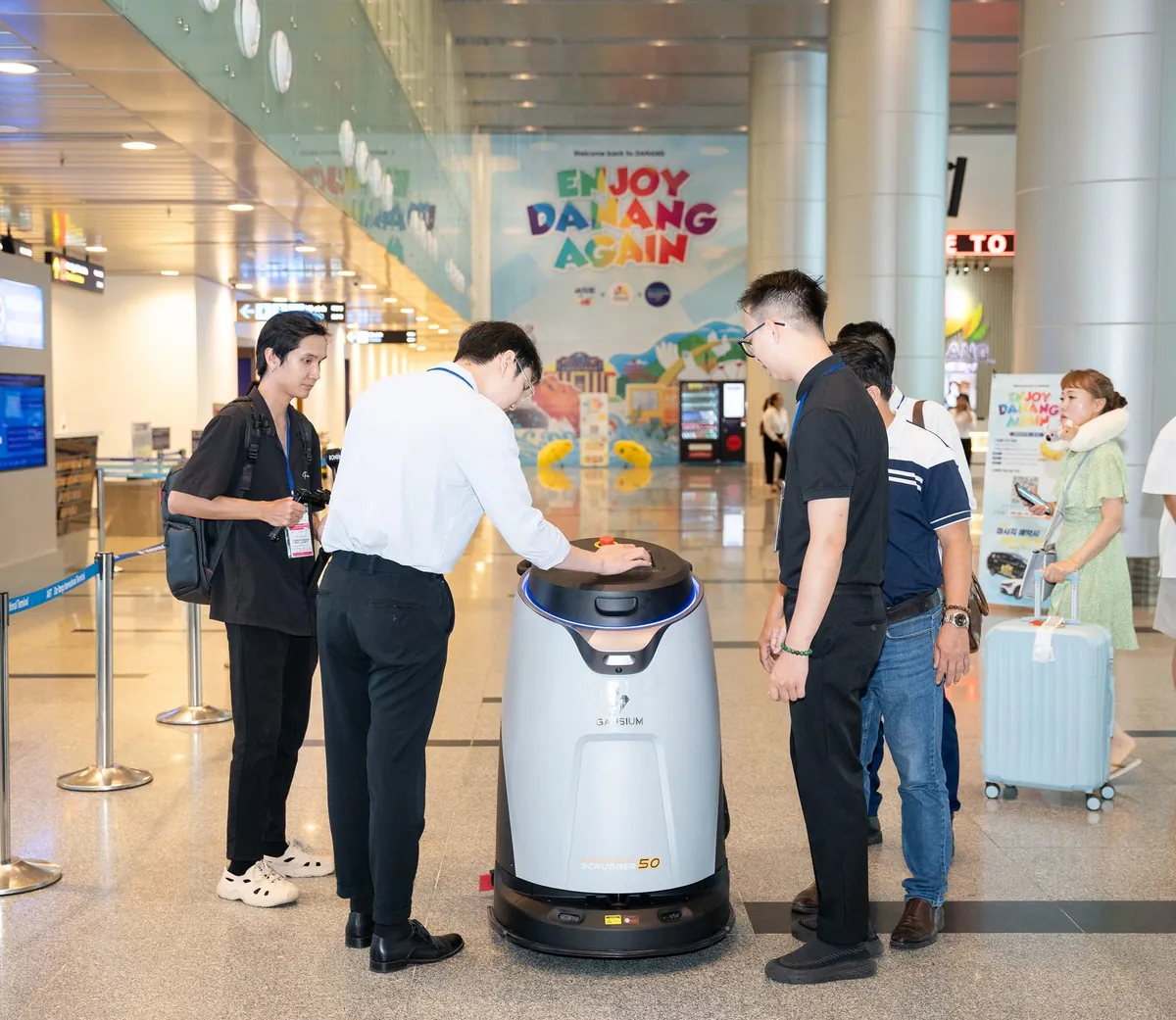
Autonomous scrubber
Washes and dries hard floors without an operator: tiles, polished concrete, vinyl, resin. The machine manages its own clean water, waste water and return to base.
Large retail · warehouses · halls · corridors · showrooms
Robotic vacuum
Vacuums carpets, rugs and hard floors over large areas, including between racking and under desks. Ideal where washing makes no sense.
Offices · hotels · meeting rooms · reception areas
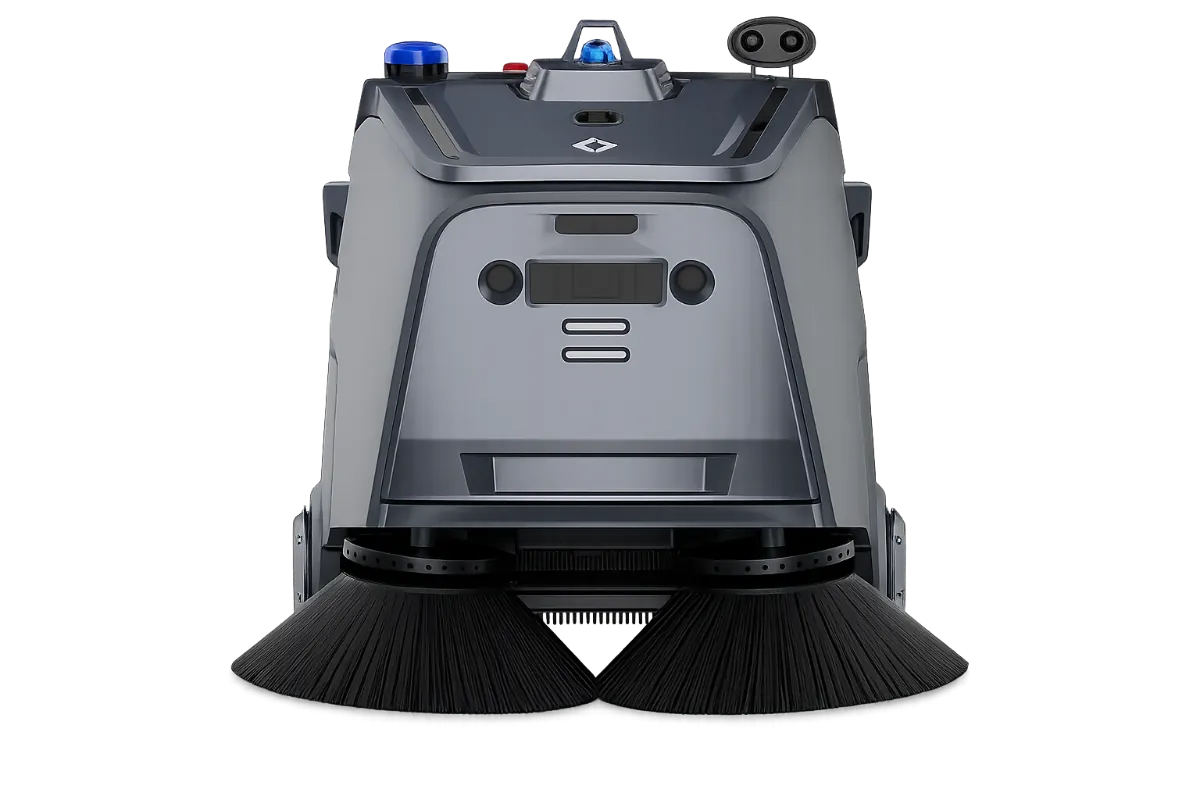
Autonomous sweeper
Picks up debris, coarse dust and waste across large technical areas, where manual sweeping costs hours every day.
Warehouses · car parks · loading bays · workshops
Compact all-rounder
A small footprint for cluttered premises and fragmented layouts, with several cleaning modes on a single machine.
Shops · hospitality · practices · small office floors
— The machines we supply
Our robot ranges.
AspiWall selects manufacturers whose machines hold up in real-world operation and whose parts stay available. Each range has its own page.
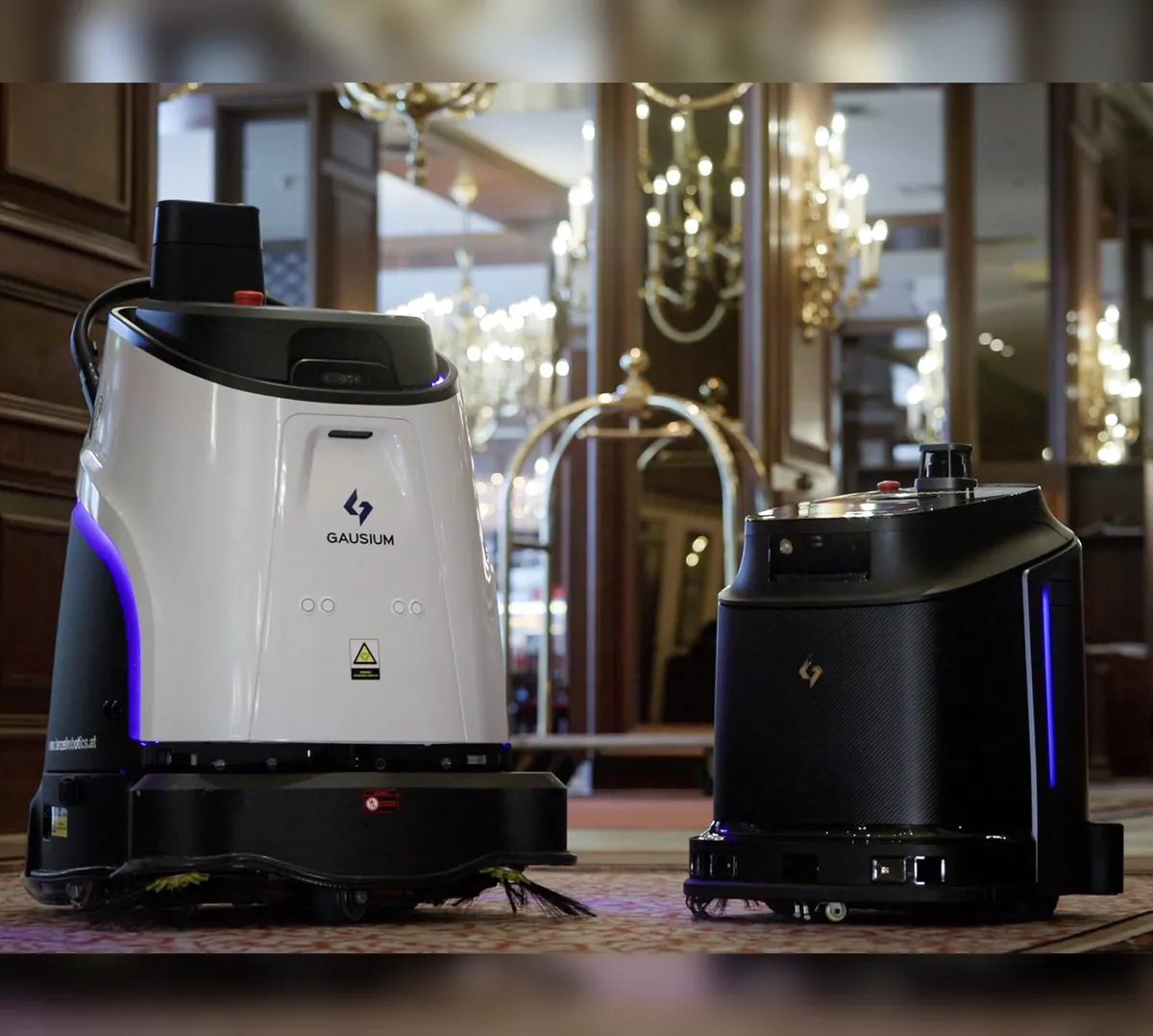
Gausium
Autonomous scrubbers, vacuums and sweepers for commercial and industrial floors. LiDAR navigation, building mapping, cleaning reports.
See the Gausium range → BespokeA very specific requirement?
Unusual flooring, access constraints, sharing aisles with forklifts, hygiene requirements: describe your site and we will look for the machine that fits.
Describe my site →— The range in pictures
Nine machines. One for every floor.
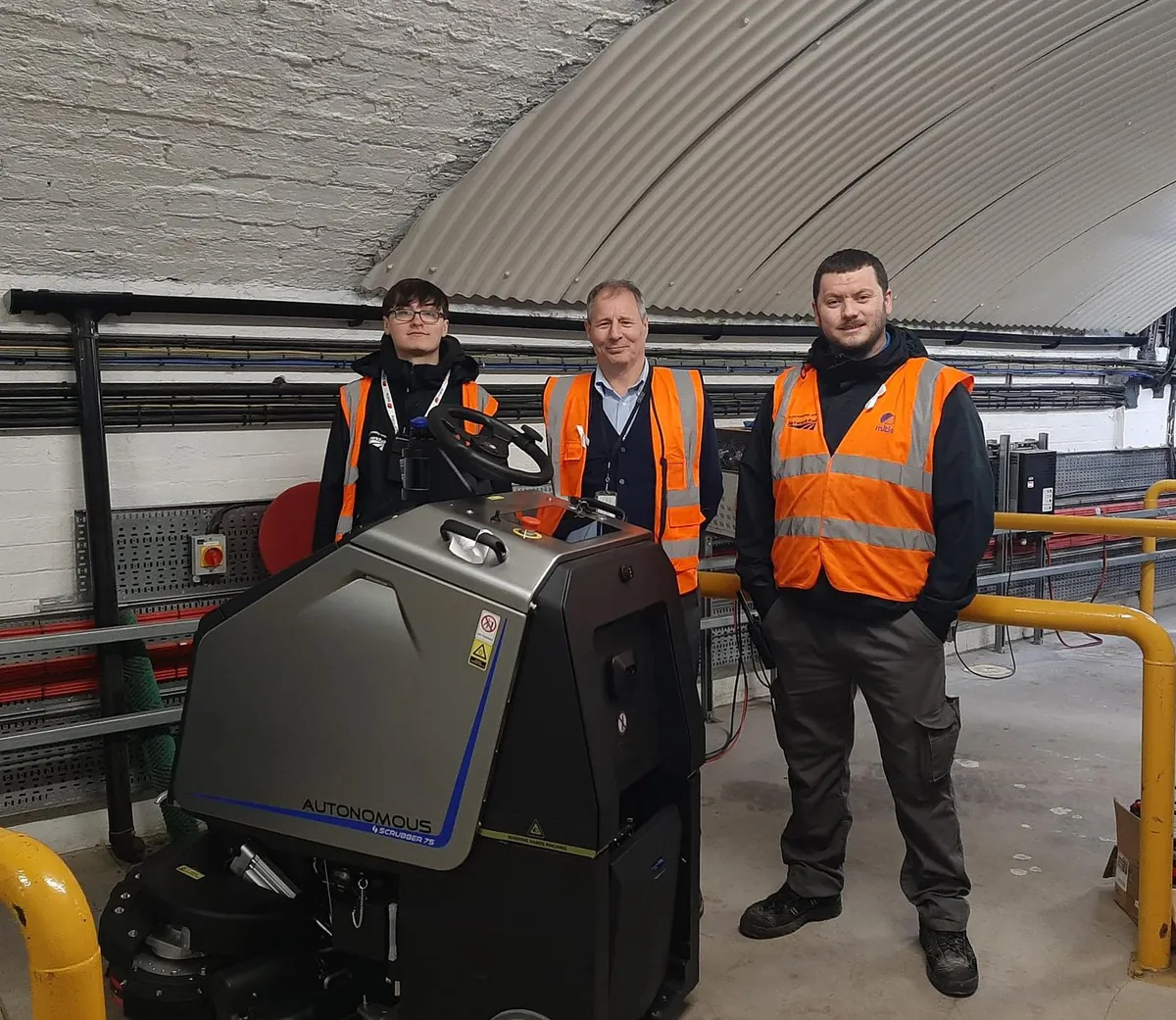
From the compact robot that slips under tables to the sweeper that swallows warehouse dust. Click a machine to open its full profile.
— Where it works best
The sites where a robot genuinely changes the day-to-day.
Retail & large stores
Cleaning at night or during the day, without getting in customers' way.
Hospitality & hotels
Rooms, corridors and halls brought back up between two services.
Warehouses & logistics
Long, regular aisles: the ideal ground for a robot.
Healthcare & care homes
The same pass, traced and documented, every single day.
Offices & business parks
Floors, circulation and shared areas cleaned outside working hours.
Schools & public buildings
Large volumes, tight maintenance budgets, heavy footfall.
Does your building also call for a central vacuum system? The two approaches complement each other: the robot handles large floor areas, while central vacuuming deals with detail work, stairs, furniture and the fine dust you do not want back in the air. See central vacuum systems for professionals.
— How it gets set up
From the site visit to the first automatic pass.
Site visit and survey
Surfaces, floor types, obstacles, operating hours, water point and charging point. This step determines the model, not the other way round.
Mapping the building
The robot travels through the building once and builds its plan. Cleaning zones and no-go zones are then defined on that map.
Setting up the missions
Which zones, at what time, how often. Missions start on their own or at the press of a button, whichever you prefer.
Training your team
On-site training for your cleaning staff: starting a mission, filling and emptying, servicing the brushes, reading the reports.
Support and maintenance
Consumables, wear parts and technical callouts. AspiWall stays your point of contact after commissioning, as on the rest of our range.
— Frequently asked questions
Your questions. Our answers.
Does a cleaning robot replace my cleaning staff?
No, and it is important to say so plainly. A robot handles large open floor areas: the longest and most repetitive part of the job, but not the most skilled. Washrooms, detailing, corners, furniture, glass and anything requiring judgement stay human. In practice, the robot frees up hours that your team reallocates to that work.
How large does a site have to be to make it worthwhile?
There is no universal threshold: what matters is the number of floor-cleaning hours consumed each week and how regular the need is. A medium-sized area cleaned daily can make more sense than a very large area cleaned once a week. The calculation is done on your real figures during the survey.
Does the robot work when the public is around?
Yes. These machines are designed to operate in occupied premises: they detect people and obstacles, slow down and go around. Many sites still run them at night, not for technical reasons, but because clear aisles make the pass faster.
What happens if it meets an unexpected obstacle?
It goes around it and carries on. If the way is completely blocked, it flags the area as untreated in its report — which tells you exactly what was not done, something manual cleaning never provides.
Who handles maintenance and consumables?
AspiWall. Brushes, squeegees, filters and wear parts are ordinary consumables, comparable to those of a conventional scrubber. Day-to-day care (emptying, filling, cleaning the brushes) is done by your team after training; the rest is handled by our technical service.
Can we see the machine before deciding?
Yes, and we recommend it. A robot is judged on your floor, in your aisles, with your real constraints. Get in touch to arrange a demonstration on your site.
How many hours do you spend cleaning your floors?
Send us your surfaces and your schedules.We will cost out what a robot would do instead.